Mold Inspection and Removal in Inglewood, TN
Mold is assessed and removed from walls, ceilings and accessible cavities in Inglewood. Call 24/7 to arrange your assessment and cleanup.
- Inspection before removal
- Moisture checks and containment
- Clear cleanup scope
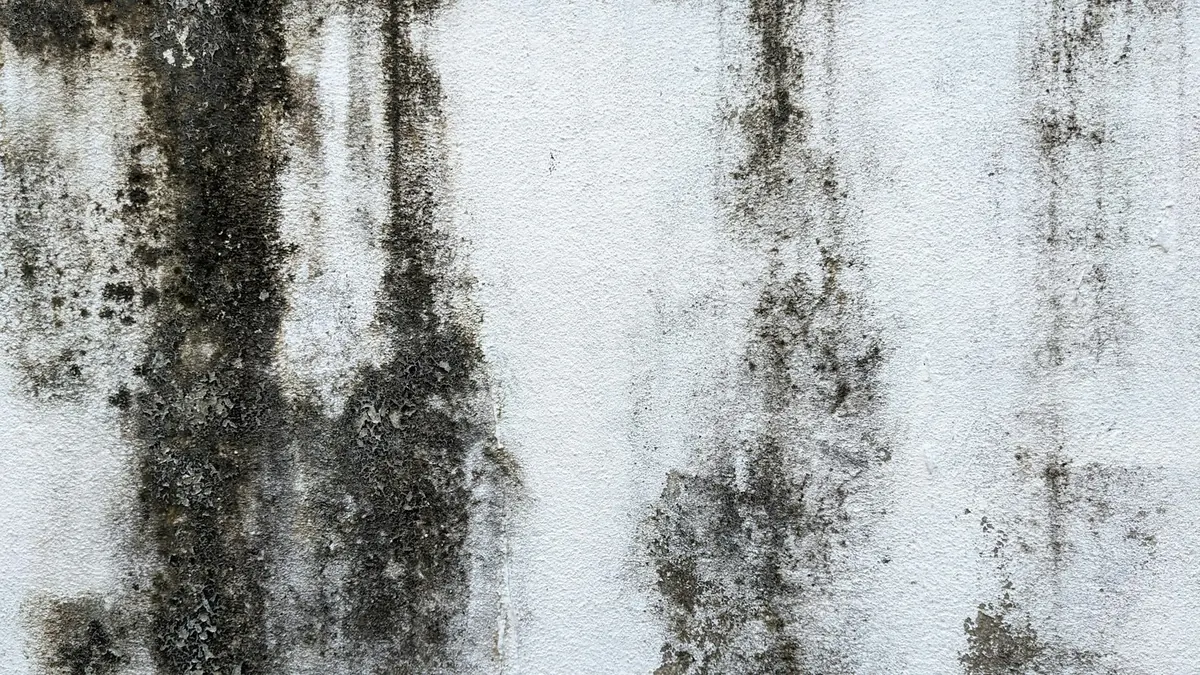
Mold Inspection and Removal for Your Inglewood Property
Your service covers visual inspection, moisture investigation and cleanup of walls, ceilings, flooring and accessible framing. Growth and damp materials are assessed together before removal.
To map dampness, your inspection uses a moisture meter; to highlight temperature differences, it uses thermal imaging. That camera cannot identify mold. The report records access limitations and separates suspected hidden damage from observed growth.
Your remediation plan lists separate repairs and corrections to moisture problems. A written work scope sets out drying, cleaning, removal and containment. Sampling of air or surfaces is used when laboratory results can resolve a particular question about cleanup.
- Visual inspection and moisture readings
- Cleanup boundaries set by damage observed
- Contained removal of unsalvageable materials
- HEPA Vacuum Cleaning for Surfaces You Keep
- Drying and post-remediation verification
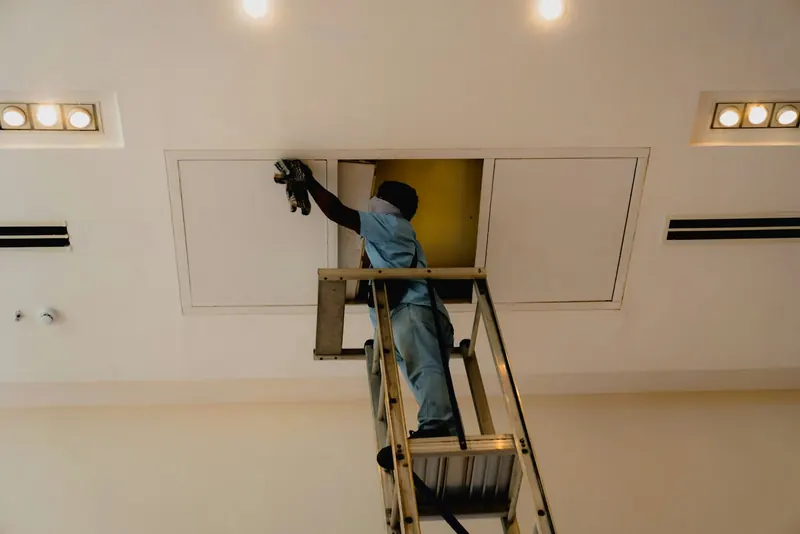
Signs You Need Mold Assessment and Removal in Inglewood
Have visible damage and surrounding concealed areas assessed when your finishes stay damp, growth recurs or odors lack an explanation.
Damp Materials After a Leak
After a leak ends, damp framing, wet carpet pad or stained ceilings may still need assessment.
Soft Drywall or Swollen Trim
Moisture damage may show as swollen baseboards, paint bubbles or wallboard that crumbles.
Multiple Surfaces With Visible Mold Growth
Dampness may extend past patches you see on baseboards, walls or ceilings.
Mold Returning After Cleaning
Recurring growth can mean the water source or affected backing remains untreated.
Musty Odor Without Visible Growth
A smell by cabinets or floors can occur with concealed moisture, but cannot establish mold's presence.
How the Mold Removal Process Works in Greater Nashville
Before removal, your inspection sets cleanup limits, required moisture fixes and the criteria for completion.
Visual Inspection and Mold Assessment
Growth and water damage are checked wherever finishes and cavities are accessible. Moisture readings and access limits form your inspection report.
Moisture Source and Cleanup Scope
Investigating condensation alongside leaks helps find the moisture source. Your remediation protocol specifies repairs and any testing along with removal and drying.
Containment Before Opening Materials
Poly sheeting forms a containment barrier. Protective equipment, negative air pressure and a HEPA air scrubber limit particle spread during work.
Damaged Material Removal
Bagging takes place within containment for moldy drywall and carpet pad, plus porous materials beyond salvage. Removal follows a protected route for debris.
Cleaning of Retained Surfaces
HEPA vacuum cleaning accompanies suitable surface cleaning on retained surfaces. Antimicrobial treatment cannot take cleaning's place.
Controlled Drying and Final Cleaning
Drying of retained materials follows cleaning, using a dehumidifier with controlled air movers. Moisture readings track progress; final cleaning removes settled dust.
Verification of Completed Work
Post-remediation verification checks cleaning, drying and moisture corrections. When required, clearance testing uses an independent assessor, lowering the conflict of interest.
Containment Removal and Repair Readiness
Containment stays in place until the completion criteria are satisfied. Replacement finishes follow drying and verification.
Your Mold Inspection and Removal Choice: Nashville Mold Cleanup
Calls Answered 24/7
One number starts your assessment and cleanup across the metro, including nights and weekends.
Clear Mold Cleanup Boundaries
Before work starts, your scope sets out damage, separate repairs and limits on removal.
Contained Work With HEPA Filtration
A protected debris route accompanies containment and filtration matched to your affected area.
Inspection Through Final Checks
Before containment removal, damaged materials come out, retained surfaces undergo cleaning and drying, and final checks take place.
Moisture Before Removal
Your assessment traces dampness before cleanup so growth and the water problem shape the scope.
Before Your Mold Inspection in Davidson County
Until your assessment is arranged, do not disturb suspect materials.
- Limit incoming water. If safe, stop the leak at the fixture.
- Leave surfaces intact. Do not sand, scrape or pull off moldy finishes.
- Keep suspect HVAC off. Wait for assessment before running equipment that might have mold inside.
- Keep the area clear. Keep people and pets away from affected materials.
- Avoid wet electrical equipment. Do not approach water near electrical outlets, appliances or wiring.
Inglewood Mold Inspection and Removal Cost
These Fixr national ranges describe different job combinations, not additive charges or local quotes. Their different scopes do not mean adding testing lowers your bill.
Inspection plus remediation, average home
$1,950 to $5,800 per jobSource: Fixr, Mold Remediation Cost (checked 2026-10-23)Inspection plus testing plus removal
$1,950 to $3,800 per jobSource: Fixr, Mold Inspection Cost (checked 2026-10-23)Inspection billed separately
$450 to $800 per inspectionSource: Fixr, Mold Remediation Cost (checked 2026-10-23)What Changes Mold Testing and Removal Cost
- Size of the affected area
- Drying and clearance testing
- Replacement finishes and moisture repairs priced separately
- Samples and lab fees
- Access and containment needs
- Material removal and disposal
Understanding Your Assessment and Cleanup Price
These published national ranges are planning figures. Your on-site assessment defines the work and price before cleanup starts, including any separate source repairs or rebuilding.
Call (844) 352-3560 about costMold Inspection and Removal Service Area Across Greater Nashville
Call (844) 352-3560 to arrange cleanup in Inglewood or nearby communities. One number covers the metro.
Common Questions About Mold Inspection and Removal in Inglewood
Are you able to stay at the property through cleanup?
You may be able to stay when occupied rooms remain separate from the work zone. That choice depends on shared ventilation, household needs and access to rooms you need. Your assessment establishes restrictions before work begins. Some cleanup projects mean moving out for a while.
Will mold return after the cleanup?
Mold can return if the water problem remains. Your leaks and condensation are traced during assessment ahead of removal. Affected surfaces undergo cleaning and drying; moisture corrections tackle the conditions that support growth. Those conditions are less likely to recur with completed repairs and humidity control.
Which materials need to be taken out during removal?
Moldy drywall, ceiling tiles and carpet may need removal. You can often clean and dry accessible non-porous surfaces and sound framing. Your inspection establishes these boundaries ahead of demolition. The scope changes before further removal if opening up a cavity exposes additional damage.
What does mold testing and removal cost in Davidson County?
Inspection findings, access, affected materials and required sampling determine your price. You can see units and source labels on each national cost card above. The scope for your work defines removal cost, inspection cost and separate repairs. A specific question about the work must be answered for testing to be included.
What is the timeframe for inspection and cleanup in Inglewood?
Assessment of access and damage shapes your timetable. Surface cleaning differs from work involving wall openings, carpet removal and framing drying. Moisture readings show how drying progresses. Necessary sampling, leak repairs and final checks affect when containment comes down and replacement finishes go in.
Is mold testing necessary prior to or following removal?
EPA guidance says sampling is often unnecessary for visible mold. Inspection and moisture checks establish the affected area. A specific question guides whether testing is used, and federal limits do not exist for mold levels indoors. A separate inspector conducts specified clearance testing, assessing completed work independently from the company responsible for removal.
Is the moisture problem fixed as part of the job?
The assessment looks into the moisture source; corrective work is specified ahead of cleanup completion. Plumbing, roof or ventilation repairs are included only when listed in your scope. Repairs outside the cleanup are identified so an unresolved leak does not remain a threat to cleaned surfaces.
Tennessee Insurance for Mold Cleanup
Moisture cause, mold coverage limits, your deductible and policy exclusions determine homeowners insurance coverage. Replacement finishes may be treated differently from inspection or removal when coverage is decided.
Safety During Mold Assessment and Cleanup in Greater Nashville
Containment limits dust and mold spores spreading into your occupied rooms.
Mold and sensitive occupants
CDC notes that, in some people, mold can trigger asthma and allergy symptoms.
Contaminated water
Mold from sewage or contaminated water calls for professional assessment and cleanup.
Mold Risk Cannot Be Judged by Color
CDC notes that color cannot indicate the risk posed by mold.
Mold spores during removal
Disturbed growth may send particles past your work area's boundaries.
Cleanup scope: For areas under about 10 square feet, EPA says homeowner cleanup is often possible. Seek professional assistance for larger areas or HVAC involvement.
Your Mold-Affected Materials in Davidson County: Cleaning and Removal
Access and the state of your materials guide decisions about cleaning versus removal.
Non-Porous Surfaces
- Sound glass, tile and metal often allow cleaning, but assessment of backing remains separate.
Porous Materials
- Moldy drywall, ceiling tiles and carpet may need disposal. You can often dry and clean wood framing that remains sound.
Belongings
- Separate assessments determine whether fabrics, paper and stored items need cleaning or disposal.
How Long Mold Inspection and Cleanup Take in Davidson County
Access, drying, how much needs removal and agreed final checks determine your timing.
- Assessment: Your scope's readiness is affected by concealed areas plus any lab results needed.
- Removal and drying: Moisture readings set drying time, while newly revealed damage may add work.
- Completion: Unresolved dampness or incomplete cleaning is addressed before containment removal and rebuilding.
Moisture Control After Mold Cleanup for Your Property
A lingering smell prompts investigation of inaccessible damage or dampness left behind. You cannot confirm completion through odor alone, and adding fragrance will not resolve the source.
You still need leak repairs even with a dehumidifier: unresolved water problems allow mold to return. For indoor relative humidity, EPA recommends staying below 60 percent, with 30 to 50 percent as the ideal range.
Tennessee Mold Assessment: What Is Required
State Mold Requirements
The Tennessee Board for Licensing Contractors lists Mold Remediation (S-F) as a specialty classification in its contractor license outline. Homeowners can verify a contractor's license on the board's website and ask what license applies to their job.
EPA Guidelines for Drying
Prevent mold growth by drying water-damaged items and areas within 24 to 48 hours.
Repair Permits
Your included electrical, plumbing or structural repairs affect which permits are required.
State guidance: Tennessee Board for Licensing Contractors, Contractor Classification Outline; Tennessee Board for Licensing Contractors, home page; Tennessee Code 66-5-202 (Internet Archive copy of Justia); Tennessee Department of Health, Healthy Homes
Related Services and Next Steps
Start Your Mold Inspection and Removal in Inglewood
Call 24/7 to arrange your assessment. Your cleanup starts with the affected surfaces, moisture source and access to your home.